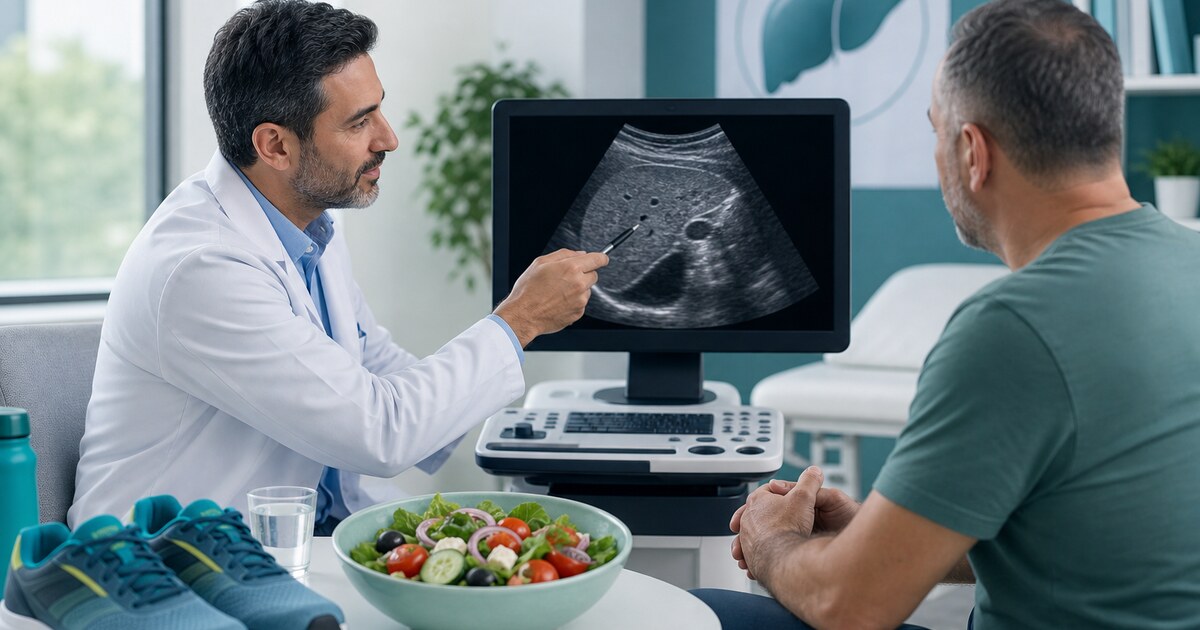
In brief: The gut hosts trillions of microbes that help digest food, train the immune system, and communicate with the brain via nerves and chemical signals—the "gut–brain axis." There is no single perfect microbiome, but diverse plant-based fibre, fermented foods (if tolerated), sleep, and activity support healthy patterns. Persistent pain, bleeding, weight loss, or diarrhoea need medical evaluation—not only supplements or cleanses.
Gut health and the brain
The vagus nerve and molecules such as short-chain fatty acids link the gut and central nervous system. Research connects gut diversity with mood and stress responses, but mental health is multifactorial—gut care complements, not replaces, psychiatric treatment when needed.
Gut health and immunity
Most immune cells interact with the gut lining. Balanced microbiota help educate immune tolerance; dysbiosis may accompany inflammatory conditions—though causation is complex. Autoimmune and allergic diseases are active research areas—see autoimmune overview.
Evidence-based habits
- Eat a wide variety of plants—fibre feeds beneficial bacteria
- Include fermented foods if tolerated (yoghurt, kefir, kimchi)
- Limit ultra-processed foods and excess alcohol
- Move regularly; manage stress and sleep
- Use antibiotics only when prescribed; discuss probiotic timing with your clinician
When symptoms need a doctor—not only "gut healing"
- Blood in stool, unexplained anaemia, or black stools
- Progressive weight loss, fever, or night sweats
- Chronic diarrhoea, waking at night to pass stool, or family history of bowel cancer
- Symptoms suggesting coeliac disease or gluten-related disorders
Probiotics, prebiotics, and hype
Specific probiotic strains help defined conditions (some antibiotic-associated diarrhoea, pouchitis) in trials. General "gut cleanse" products lack strong evidence and may harm. Personalised advice beats social-media trends.
Frequently asked questions
Does gut health affect anxiety and depression?
There is plausible two-way communication, and diet quality matters for overall health. Evidence for probiotics treating clinical depression is limited—use professional mental health care for mood disorders.
How quickly can diet change the microbiome?
Some shifts appear within days of major dietary change, but stable benefits come from long-term patterns—not short detoxes.
Is leaky gut a recognised diagnosis?
Increased intestinal permeability is a research concept. Commercial "leaky gut" kits and cures are not standard medical care. Investigate symptoms with proper clinical workup.
Should everyone take a probiotic?
Not necessarily. Strain, dose, and indication matter. Immunocompromised people should consult specialists before supplements.
Questions to ask your doctor
- Do my digestive symptoms need coeliac, IBD, or colonoscopy evaluation?
- Could my medicines or diet explain bloating?
- Is a registered dietitian referral appropriate?
- Which probiotic (if any) fits my condition?
Trusted references
Find a clinician on DoctorBookly
If you have symptoms or risk factors discussed here, book a consultation with a verified doctor, visit a hospital, or arrange lab tests near you. Early assessment matters.
Educational content from DoctorBookly Editorial. Not personal medical advice. Always consult a licensed clinician for diagnosis, treatment, and emergencies. Call your local emergency number if you think you are having a medical emergency.