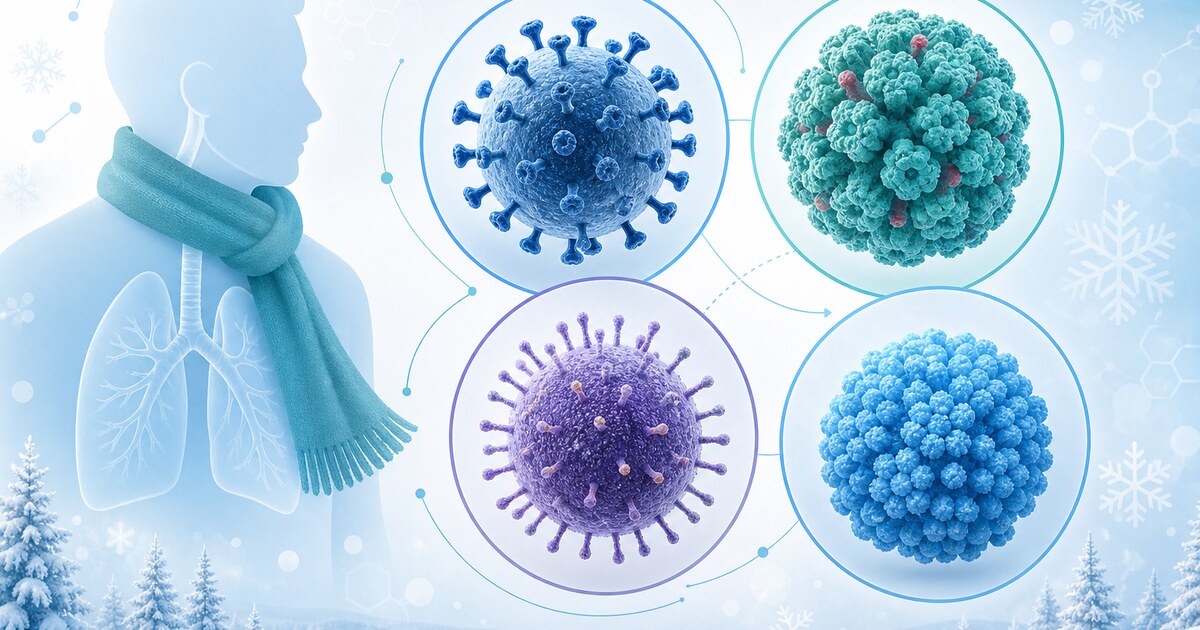
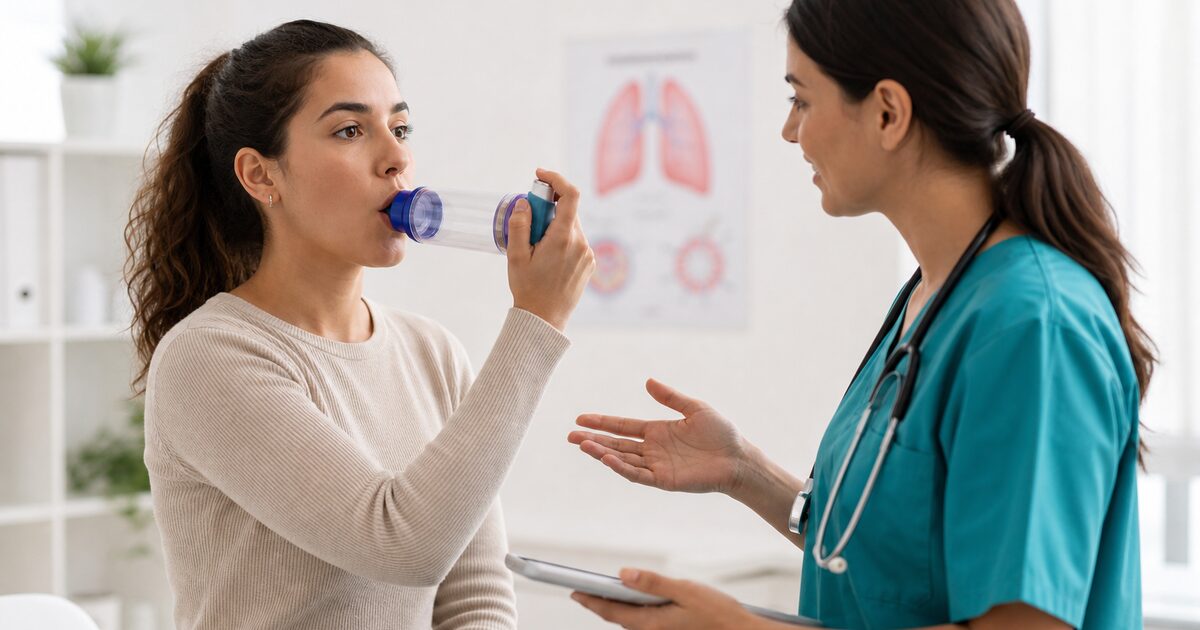
In brief: Pneumonia is infection that inflames air sacs in the lungs—they may fill with fluid or pus. It ranges from mild ("walking pneumonia") to life-threatening. Bacteria, viruses, and fungi can all cause it. Vaccines and prompt treatment reduce serious illness, especially in young children, older adults, and people with chronic conditions.
Common symptoms
- Cough, often with yellow, green, or bloody mucus
- Fever, sweats, and chills
- Shortness of breath or rapid breathing
- Sharp chest pain that worsens when breathing or coughing
- Fatigue and loss of appetite
- Nausea or vomiting (more common in children)
Older adults may present with confusion, falls, or low temperature instead of high fever.
Causes
- Bacteria — e.g. Streptococcus pneumoniae; may follow flu
- Viruses — influenza, RSV, COVID-19, others
- Fungi — more common in immunocompromised people
- Aspiration — inhaling food, liquid, or vomit
Chest X-ray and clinical exam help distinguish pneumonia from bronchitis or asthma flare.
Treatment
Bacterial pneumonia is treated with antibiotics—finish the full course. Viral pneumonia may need supportive care; antivirals help specific cases (e.g. influenza, COVID-19 when indicated). Rest, fluids, fever control, and oxygen if levels are low. Never share antibiotics or use leftovers without medical advice.
Prevention
- Pneumococcal vaccines per national schedule
- Annual influenza vaccine
- COVID-19 vaccination where recommended
- Hand hygiene; avoid smoking and second-hand smoke
- Manage chronic lung and heart disease
When to seek emergency care
Go to hospital for severe breathlessness, blue lips, chest pain, confusion, persistent high fever, or inability to keep fluids down—especially if you are over 65, under 5, pregnant, or have chronic illness.
Questions to ask your doctor
- Is my pneumonia bacterial or viral—and do I need antibiotics?
- When should I repeat chest X-ray to confirm recovery?
- Which vaccines should I receive after recovery?
Frequently asked questions
Is pneumonia contagious?
Some causes spread through respiratory droplets—practice hygiene and stay home when acutely ill.
How long does recovery take?
Mild cases may improve in a week; fatigue can linger several weeks. Follow up if symptoms worsen after initial improvement.
Can pneumonia follow a cold?
Yes—secondary bacterial pneumonia can develop after viral upper respiratory infection.
What tests confirm pneumonia?
Clinical exam, chest X-ray, pulse oximetry, and sometimes blood tests or sputum culture.
Who should get the pneumococcal vaccine?
Follow national schedules—often recommended for infants, adults over 65, and people with chronic conditions.
Trusted references
Find care on DoctorBookly
Search verified doctors, hospitals, and labs near you. Early assessment saves lives.
Educational content from DoctorBookly Editorial. Not personal medical advice. Always consult a licensed clinician for diagnosis, treatment, and emergencies. Call your local emergency number if you think you are having a medical emergency.