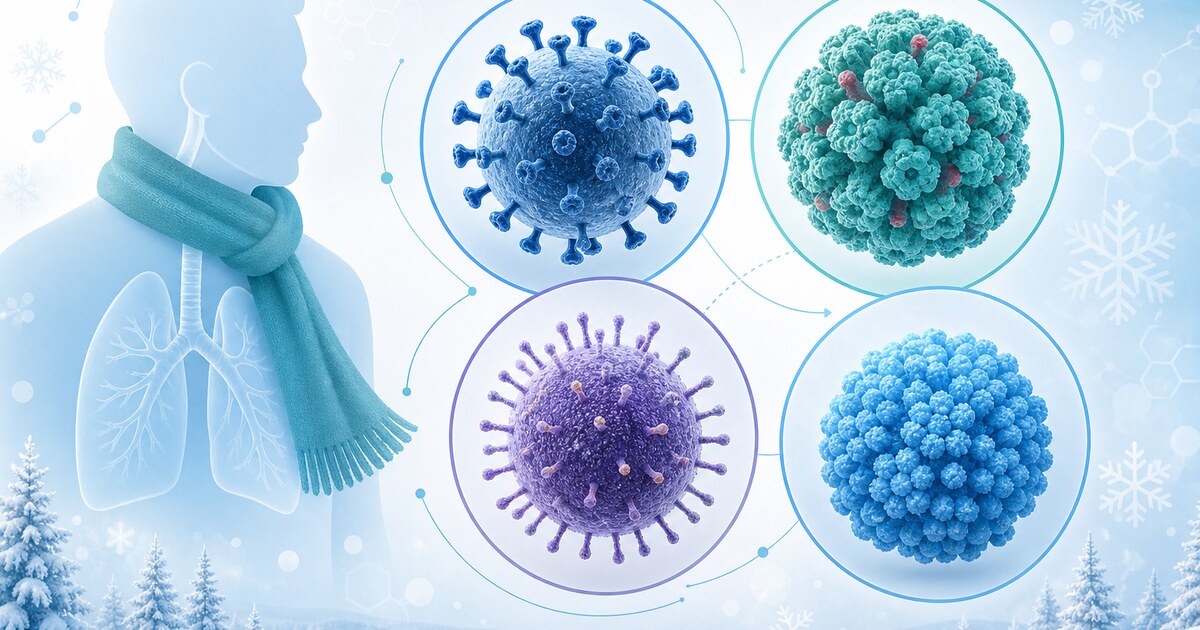
In brief: Avian influenza A(H5N1)—often called bird flu—is a viral infection that spreads mainly among wild birds and poultry. Human infections are uncommon but can happen after close contact with sick birds, cattle, or contaminated environments. Most people do not catch bird flu from eating properly cooked poultry. If you work with animals or develop severe flu-like illness after exposure, seek medical advice promptly.
What is bird flu (H5N1)?
H5N1 is a subtype of influenza A virus that circulates in birds. Outbreaks in poultry and wild birds are monitored globally. Occasionally the virus infects mammals—including rarely humans—usually through direct exposure rather than casual community spread.
Human symptoms to watch for
- High fever, cough, sore throat, muscle aches—similar to severe seasonal flu
- Shortness of breath or chest pain
- Conjunctivitis (red, painful eyes) after exposure in some reported cases
- Gastrointestinal symptoms in some patients
- Rapid worsening in people with underlying lung or immune conditions
Symptoms alone cannot confirm bird flu—laboratory testing is required. Seasonal flu, COVID-19, and RSV are far more common causes of winter illness in most communities.
Who is at higher risk?
- Poultry and farm workers, veterinarians, and animal handlers
- People in close contact with sick or dead birds or infected cattle
- Household members caring for a confirmed case (rare)
Prevention steps
- Avoid touching sick or dead birds; use protective equipment if your job requires contact
- Cook poultry and eggs thoroughly; practice kitchen hygiene
- Get seasonal flu vaccine—it does not prevent H5N1 but reduces co-infection risk and hospital strain
- Follow public-health travel and outbreak notices in affected regions
When to seek urgent care
Call emergency services for severe breathing difficulty, confusion, persistent chest pain, or blue lips. After animal exposure, contact a clinician even with mild fever—early antiviral treatment may be considered under public-health guidance.
Frequently asked questions
Can I get bird flu from eating chicken or eggs?
Properly cooked poultry and eggs are generally safe. Risk is linked to handling live or sick birds and raw contaminated products—not well-cooked food.
Is bird flu spreading person to person?
Sustained human-to-human spread has not been the dominant pattern in most outbreaks. Public-health agencies monitor closely for genetic changes that could increase transmissibility.
How is bird flu diagnosed?
Clinicians take a history of exposure and order specific laboratory tests (such as PCR) on respiratory samples. Do not self-diagnose based on symptoms alone.
Should I worry if I have seasonal flu symptoms?
Most winter illness is caused by common viruses. Worry increases if you had documented exposure to infected birds or cattle, or if symptoms are severe or worsening—see our guide on flu, RSV, and COVID symptoms.
Questions to ask your doctor
- Was my exposure high enough to warrant testing or preventive antivirals?
- Should household members monitor symptoms?
- Which symptoms mean I should return to hospital?
- Do I need seasonal flu or other vaccines?
Trusted references
Find a clinician on DoctorBookly
If you have symptoms or risk factors discussed here, book a consultation with a verified doctor, visit a hospital, or arrange lab tests near you. Early assessment matters.
Educational content from DoctorBookly Editorial. Not personal medical advice. Always consult a licensed clinician for diagnosis, treatment, and emergencies. Call your local emergency number if you think you are having a medical emergency.