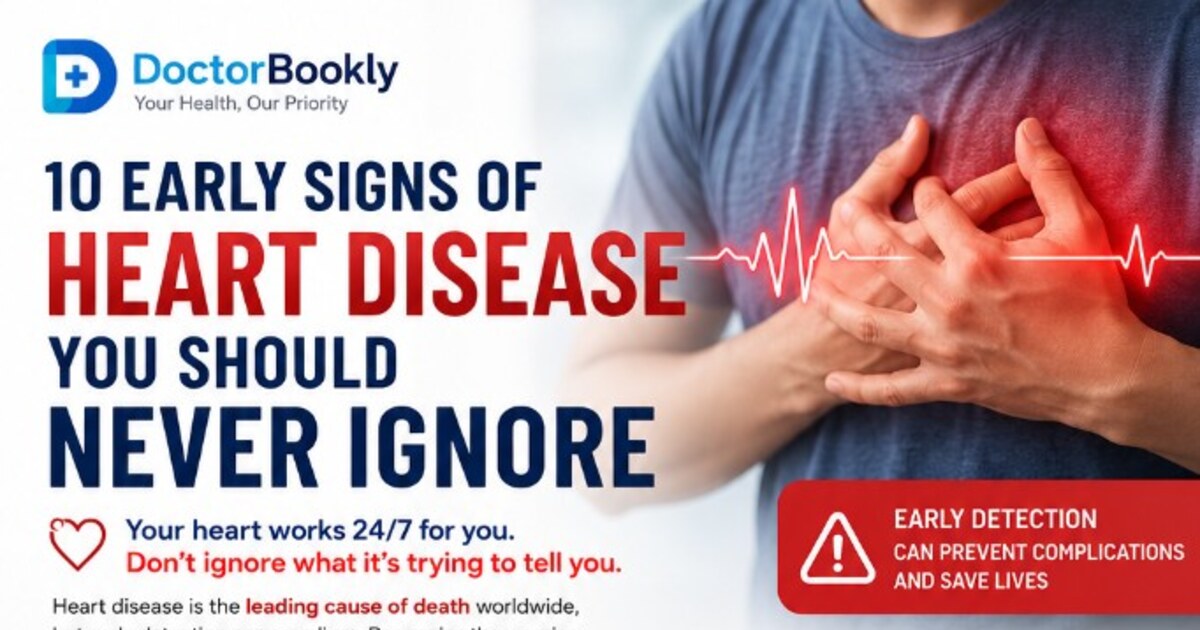
In brief: A silent heart attack (silent myocardial infarction) is heart muscle damage from blocked blood flow without the classic crushing chest pain. People may feel only fatigue, breathlessness, indigestion, or discomfort in the jaw, back, or arms—or no symptoms at all until scarring is found later on an ECG. Because damage still occurs, knowing subtle signs and risk factors saves lives. Call your local emergency number for suspected heart attack—do not wait to see if pain passes.
Classic vs subtle symptoms
- Pressure, squeezing, or heaviness in chest—may be mild
- Pain or discomfort in jaw, neck, back, or either arm
- Shortness of breath with or without chest symptoms
- Nausea, vomiting, cold sweat, light-headedness
- Unusual fatigue for days—especially in women and older adults
- Symptoms with exertion that ease with rest (angina pattern)
Diabetes can blunt pain nerves, making attacks "silent." Review early heart disease signs and hypertension guide.
Major risk factors
- High blood pressure, high cholesterol, smoking, diabetes
- Family history of premature heart disease
- Obesity, sedentary lifestyle, chronic kidney disease
- Prior heart attack or known coronary artery disease
How silent attacks are discovered
ECG changes, echocardiogram, stress testing, coronary CT angiography, or cardiac MRI may show old damage. Blood troponin rises during acute events—emergency departments test this when heart attack is suspected.
What to do if you suspect a heart attack
- Call emergency services immediately—chew aspirin 325 mg only if not allergic and advised by local protocols while waiting
- Do not drive yourself
- Note time of symptom onset—clot-busting and PCI treatments are time-sensitive
Frequently asked questions
Can a heart attack really have no symptoms?
Yes. Some people discover damage only on routine tests. Others dismiss mild symptoms as indigestion or ageing.
Are women's heart attack symptoms different?
Women experience chest pain often, but fatigue, nausea, and shortness of breath are relatively more common presenting features compared with stereotypical media portrayals.
Does a silent heart attack need treatment?
Yes. Damaged heart muscle increases risk of heart failure and future events. Cardiology follow-up, medicines, and lifestyle change are standard.
Can wearables detect heart attacks?
Consumer watches may flag irregular rhythm but cannot reliably diagnose heart attack. See our wearables and heart health guide for limits and benefits.
Questions to ask your doctor
- Given my risk factors, do I need stress testing or coronary calcium scoring?
- What target blood pressure and LDL should I aim for?
- Which symptoms should make me call emergency services?
- How does my diabetes change heart attack presentation?
Trusted references
Find a clinician on DoctorBookly
If you have symptoms or risk factors discussed here, book a consultation with a verified doctor, visit a hospital, or arrange lab tests near you. Early assessment matters.
Educational content from DoctorBookly Editorial. Not personal medical advice. Always consult a licensed clinician for diagnosis, treatment, and emergencies. Call your local emergency number if you think you are having a medical emergency.