In brief: A stroke occurs when blood supply to part of the brain stops (ischaemic stroke) or a vessel bleeds (haemorrhagic stroke). Brain cells die within minutes. Recognising symptoms and calling emergency services immediately can save life and reduce disability. Use the FAST test at the first suspicion.
The FAST test
- F — Face: Ask the person to smile. Does one side droop?
- A — Arms: Can they raise both arms? Does one drift downward?
- S — Speech: Is speech slurred or strange? Can they repeat a simple sentence?
- T — Time: If any sign is present, call emergency services now. Note when symptoms started.
Other sudden warning signs
- Numbness or weakness on one side of the body
- Sudden confusion or trouble understanding speech
- Vision loss in one or both eyes
- Severe headache with no known cause
- Loss of balance, coordination, or trouble walking
Do not wait for symptoms to improve—transient episodes (TIA or "mini-stroke") still need urgent assessment.
Major risk factors
High blood pressure is the leading modifiable risk—see our hypertension guide. Others include atrial fibrillation, diabetes, smoking, high cholesterol, obesity, and prior stroke or TIA. Regular check-ups help identify treatable risks early.
Why speed matters
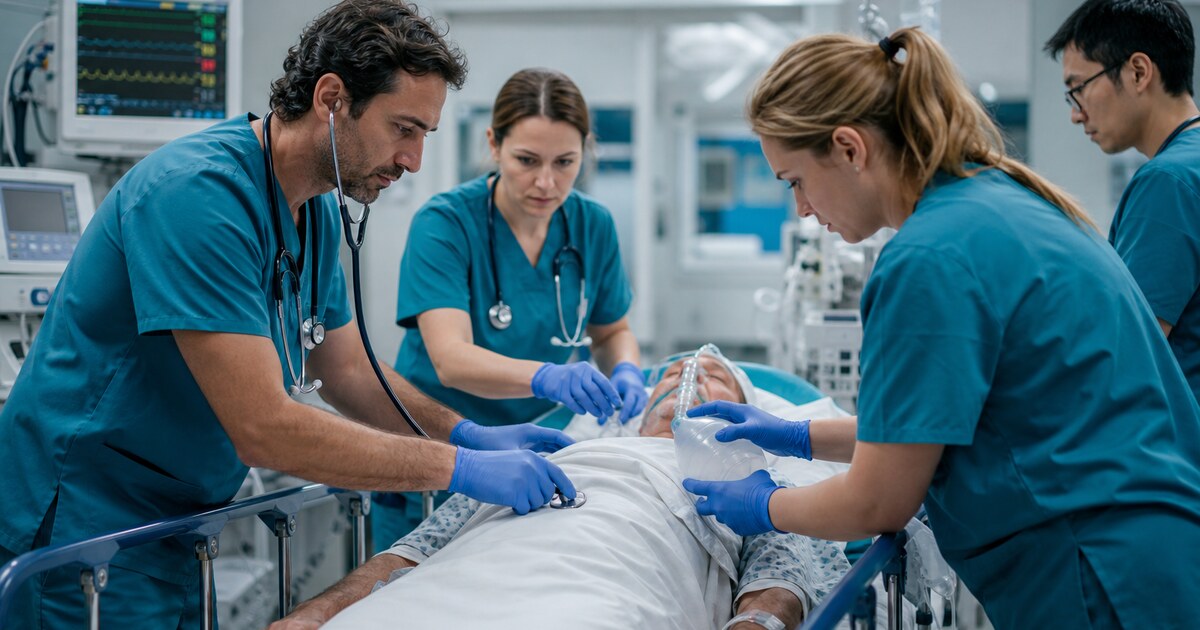
Clot-dissolving treatment (thrombolysis) and clot retrieval work best within a narrow time window after ischaemic stroke begins. Ambulance teams can start care en route—never drive yourself if stroke is suspected.
Recovery and prevention
After a stroke, rehabilitation (physiotherapy, speech therapy, occupational therapy) improves independence. Long-term prevention includes blood pressure control, statins, antiplatelets or anticoagulants as prescribed, smoking cessation, and managing diabetes. A transient ischaemic attack (TIA) is a warning—urgent workup prevents full stroke.
Questions to ask after a TIA or stroke
- What caused my stroke and how do we prevent another?
- Which medicines must I take long term?
- When can I drive or return to work?
Frequently asked questions
What does FAST stand for?
Face, Arms, Speech, Time—call emergency services immediately if any sign appears.
Can young people have strokes?
Yes, though less common. Never ignore sudden FAST symptoms at any age.
What is the difference between stroke and heart attack?
Stroke affects the brain; heart attack affects the heart. Both are emergencies—call for help immediately.
What happens after hospital treatment?
Rehabilitation, blood thinners or antiplatelets, blood pressure control, and lifestyle changes reduce recurrence risk.
Can lifestyle changes prevent stroke?
Controlling blood pressure, quitting smoking, treating atrial fibrillation, and exercising regularly significantly lower risk.
Trusted references
Find care on DoctorBookly
Search verified doctors, hospitals, and labs near you. Early assessment saves lives.
Educational content from DoctorBookly Editorial. Not personal medical advice. Always consult a licensed clinician for diagnosis, treatment, and emergencies. Call your local emergency number if you think you are having a medical emergency.